

FreqScalper EA
High Frequency Mean Reversion Engine
Introducing FreqScalper, a quantitative mean reversion algorithm engineered to capitalise on short-term market overextensions. Unlike trend-following systems that suffer in ranging markets, FreqScalper thrives on volatility spikes and liquidity sweeps. It identifies extreme statistical deviations from the norm and executes precise scalps as price snaps back to the short term mean.
Built on a Connors-style statistical model, this algorithm combines hypersensitive momentum oscillators with strict tick-level exit management to extract a consistent edge from market noise.
The Statistical Edge: Entry Architecture
The core premise of FreqScalper is that extreme short-term deviations are statistically likely to revert to the mean. The algorithm filters out normal market fluctuations and only engages when price reaches a state of absolute exhaustion.
- Volatility Boundary (Bollinger Bands): The bot calculates a 20-period Bollinger Band with a 2.0 standard deviation. This establishes the outer limits of normal price distribution.
- Hyper Sensitive Momentum (RSI 2): Instead of a standard 14-period RSI, FreqScalper uses a 2-period Relative Strength Index. This ultra-fast oscillator measures immediate, intra-bar momentum exhaustion.
- The Confluence Trigger:
- Buy Signal: Price must close below the lower Bollinger Band AND the 2-period RSI must drop below 15.0.
- Sell Signal: Price must close above the upper Bollinger Band AND the 2-period RSI must spike above 85.0.
(default values)
By requiring both a volatility breach and extreme momentum exhaustion, the bot completely ignores minor pullbacks and only targets high probability statistical anomalies.
Execution Architecture: Bar Close Entries, Tick Level Exits
Execution logic is strictly divided to prevent repainting while maximizing exit precision.
- Entry Evaluation (Closed Bars Only): To prevent false signals and intra-bar repainting, the bot only evaluates entry conditions on the exact close of a new bar. If the candle does not close outside the bands with the required RSI confirmation, no trade is taken.
- Exit Management (Tick by Tick): Once a position is open, the bot shifts to high frequency tick monitoring. It does not wait for a bar to close to exit. The moment the current price crosses back over the 5-period Simple Moving Average (the short-term mean), the position is instantly closed. This captures the exact mathematical snapback without giving back profits.
Volatility Adjusted Risk Containment
Mean reversion strategies must be protected against sudden structural breakouts. FreqScalper employs a hardened, volatility-based safety net.
- Wide ATR Stop Loss: The initial stop loss is set at 3.0 times the 14-period Average True Range. This wide buffer ensures the trade is not stopped out by standard market noise or minor liquidity sweeps, giving the mean reversion thesis time to play out.
- Secondary ATR Take Profit: A hard take profit is set at 4.0 times the ATR. If the market enters a massive trend and fails to cross the 5 SMA, this secondary hard limit ensures the trade is closed in profit.
- Strict Position Limits: The bot operates on a strict one trade at a time basis. It never adds to a losing position, never averages down, and never layers orders.
- IOC Order Filling: The bot uses Immediate or Cancel order execution. In high-frequency scalping, this ensures that if the requested volume cannot be filled instantly, the order is cancelled rather than leaving a hanging order that could be filled later at a degraded price.
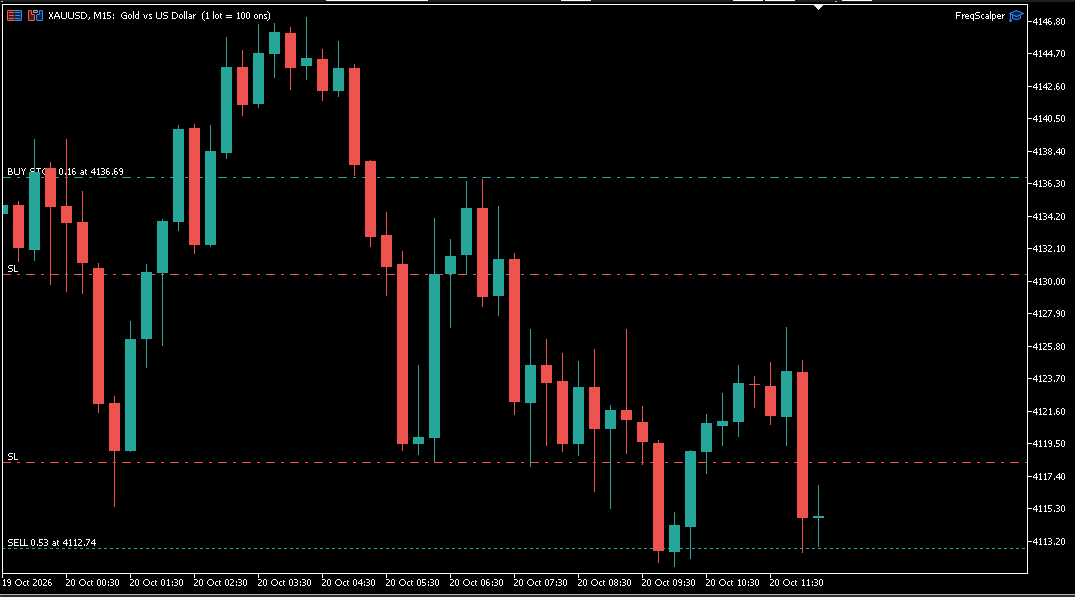
Disclaimer
Trading foreign exchange and commodities (especially Gold/XAUUSD) on margin carries a high level of risk and may not be suitable for all investors. Past performance of the EA or backtested results does not guarantee future results. The high degree of leverage can work against you as well as for you. Before deciding to trade, you should carefully consider your investment objectives, level of experience, and risk appetite. There is a possibility that you may sustain a loss of some or all of your initial investment.
Results:
Version: 127345
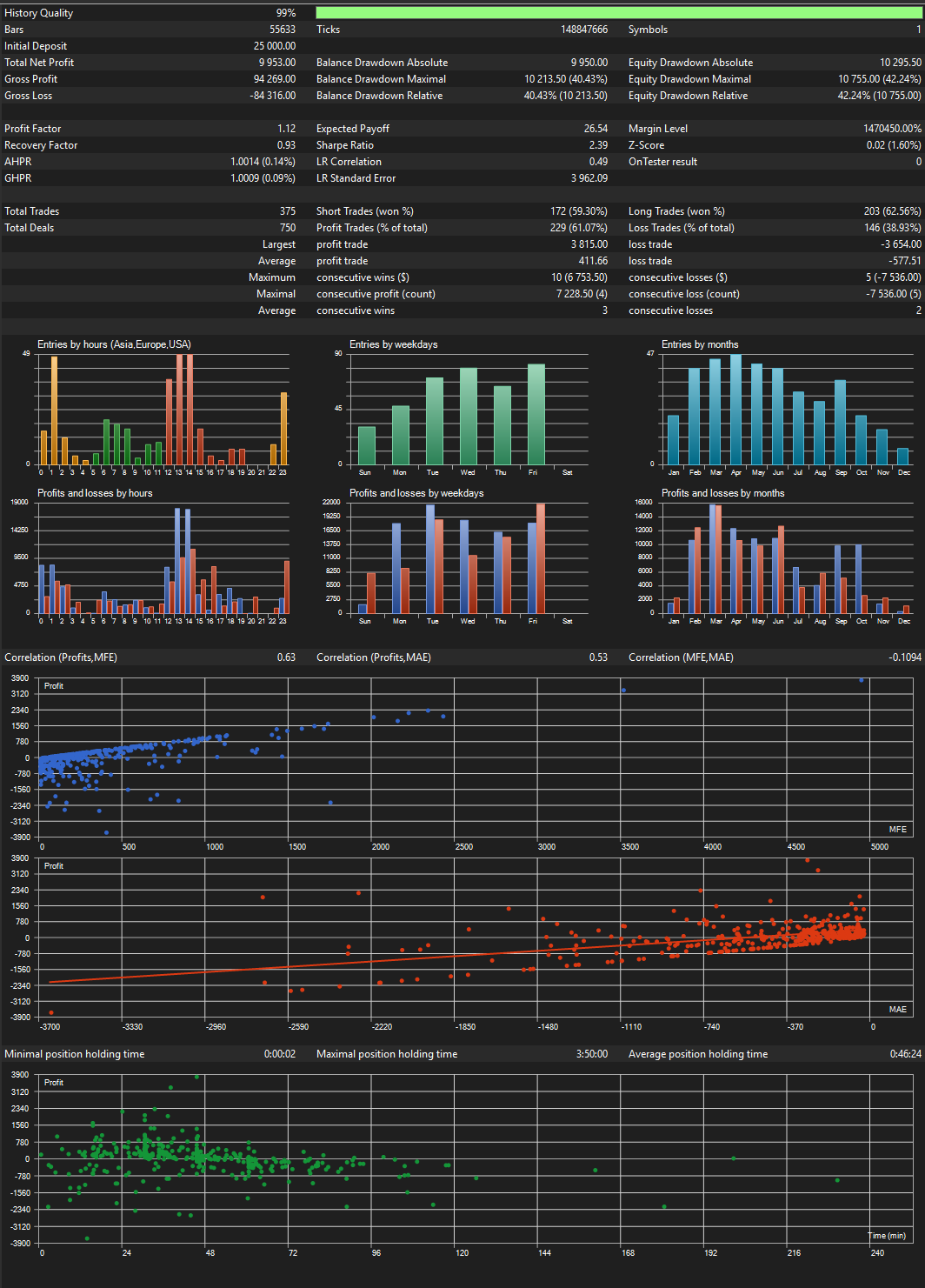
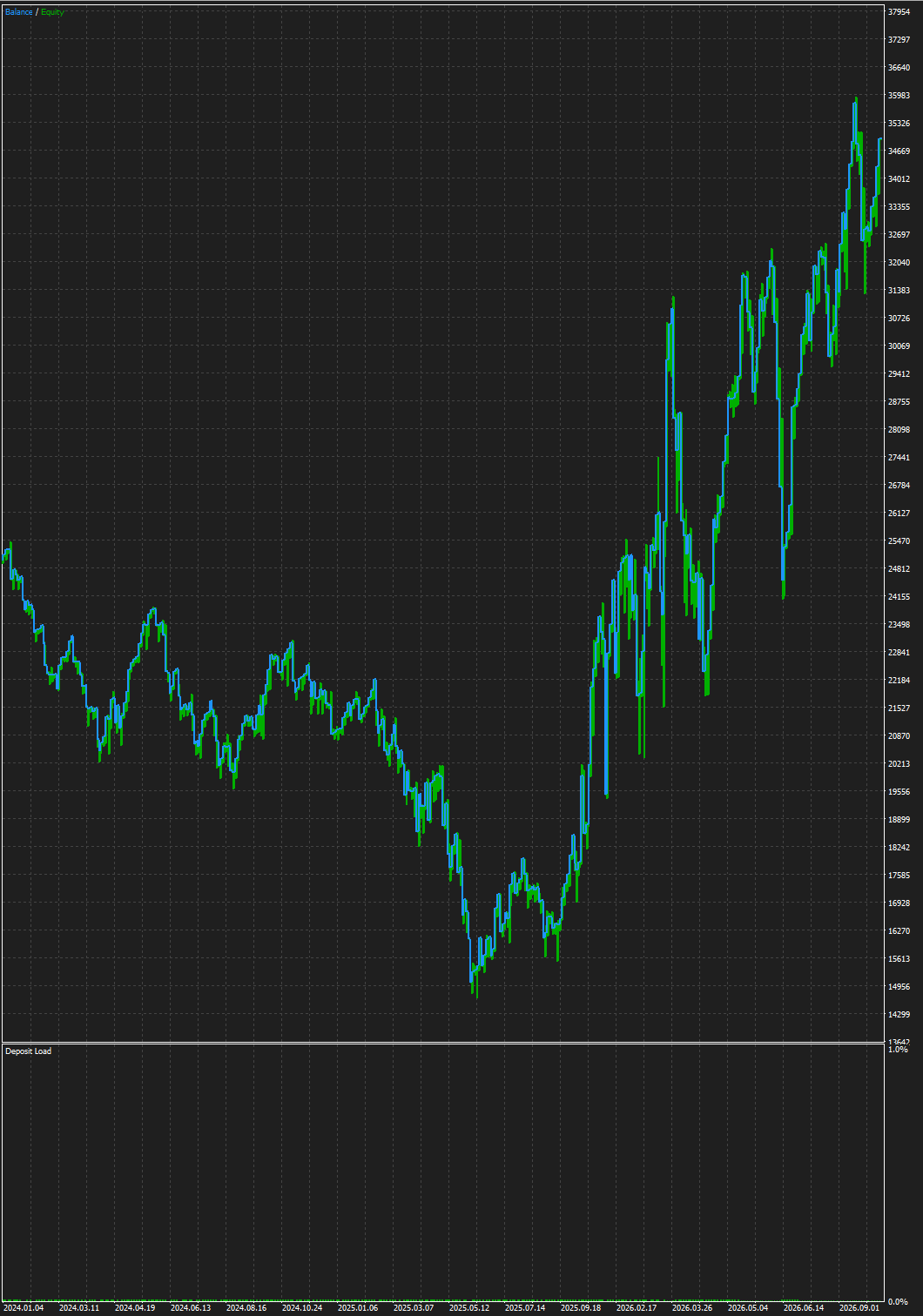
Version: 127397
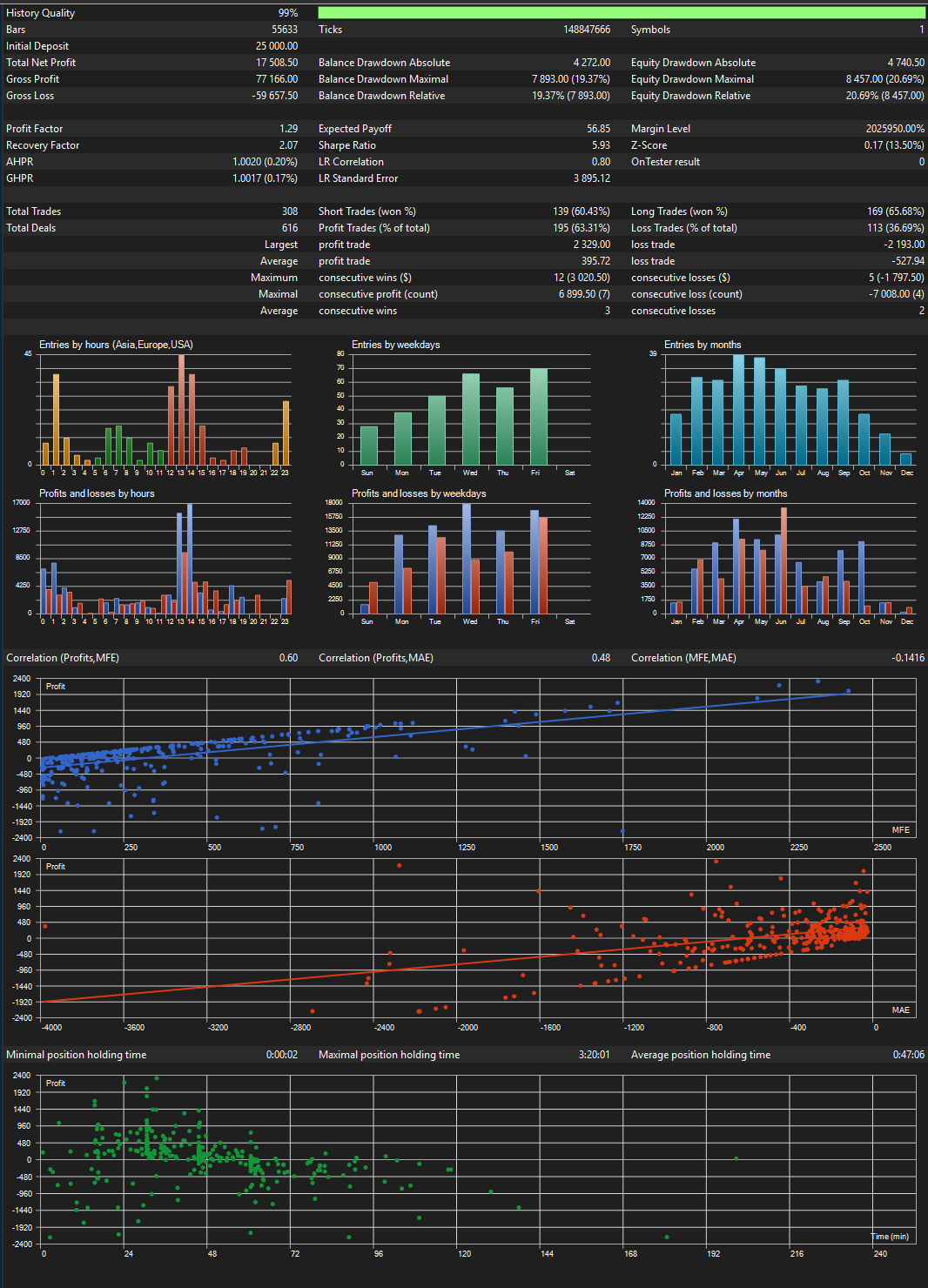
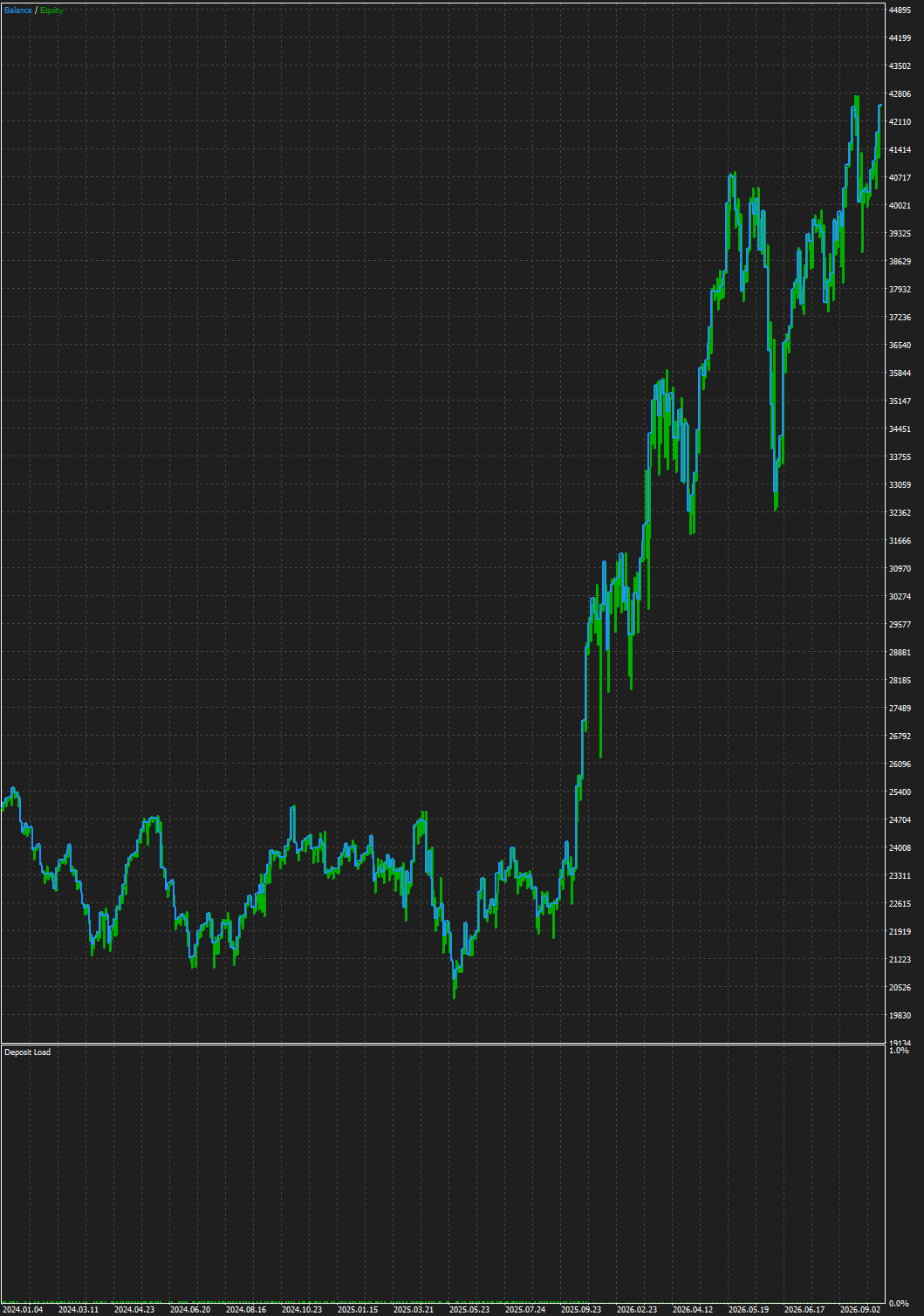
Version: 120054
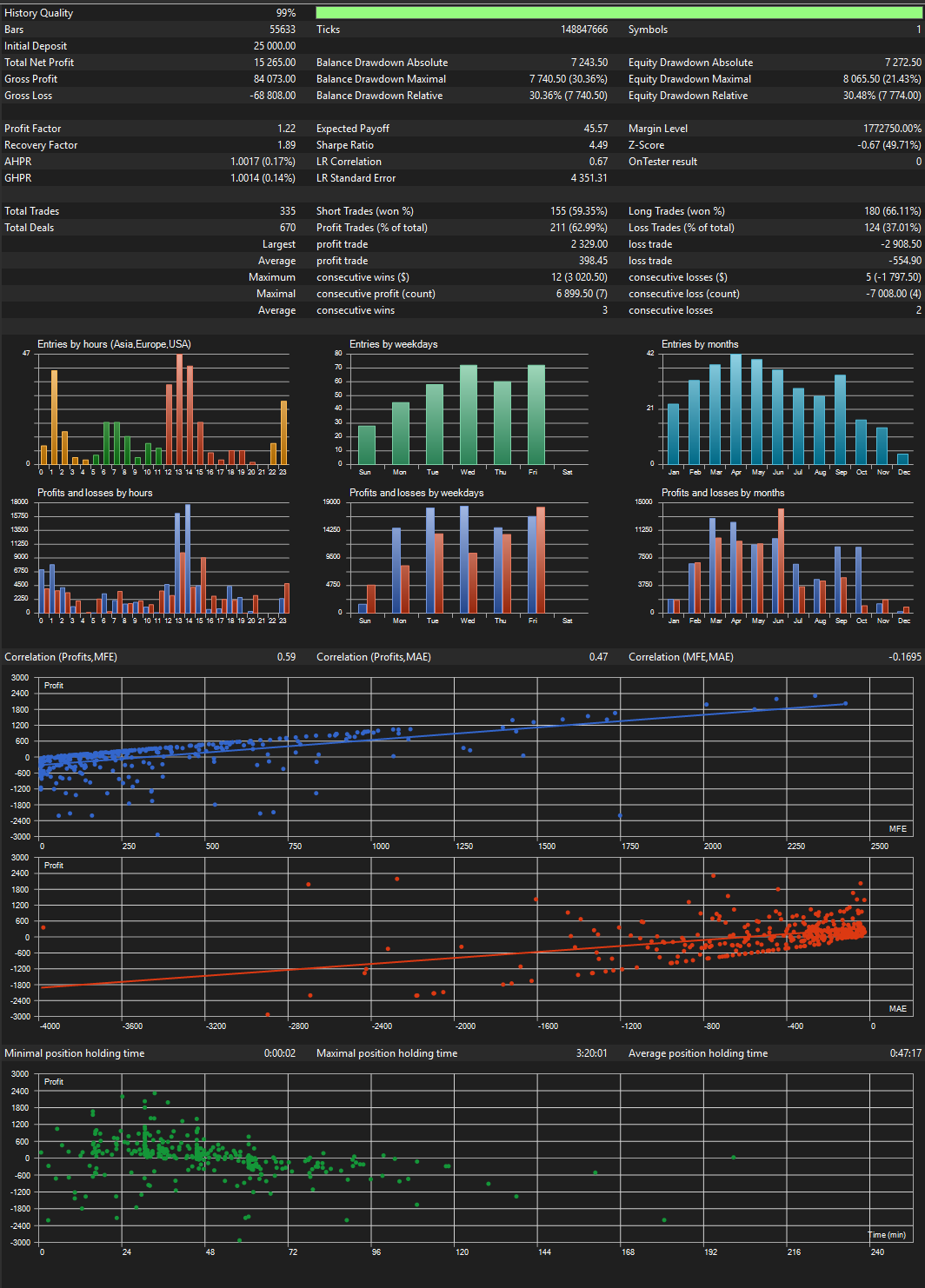
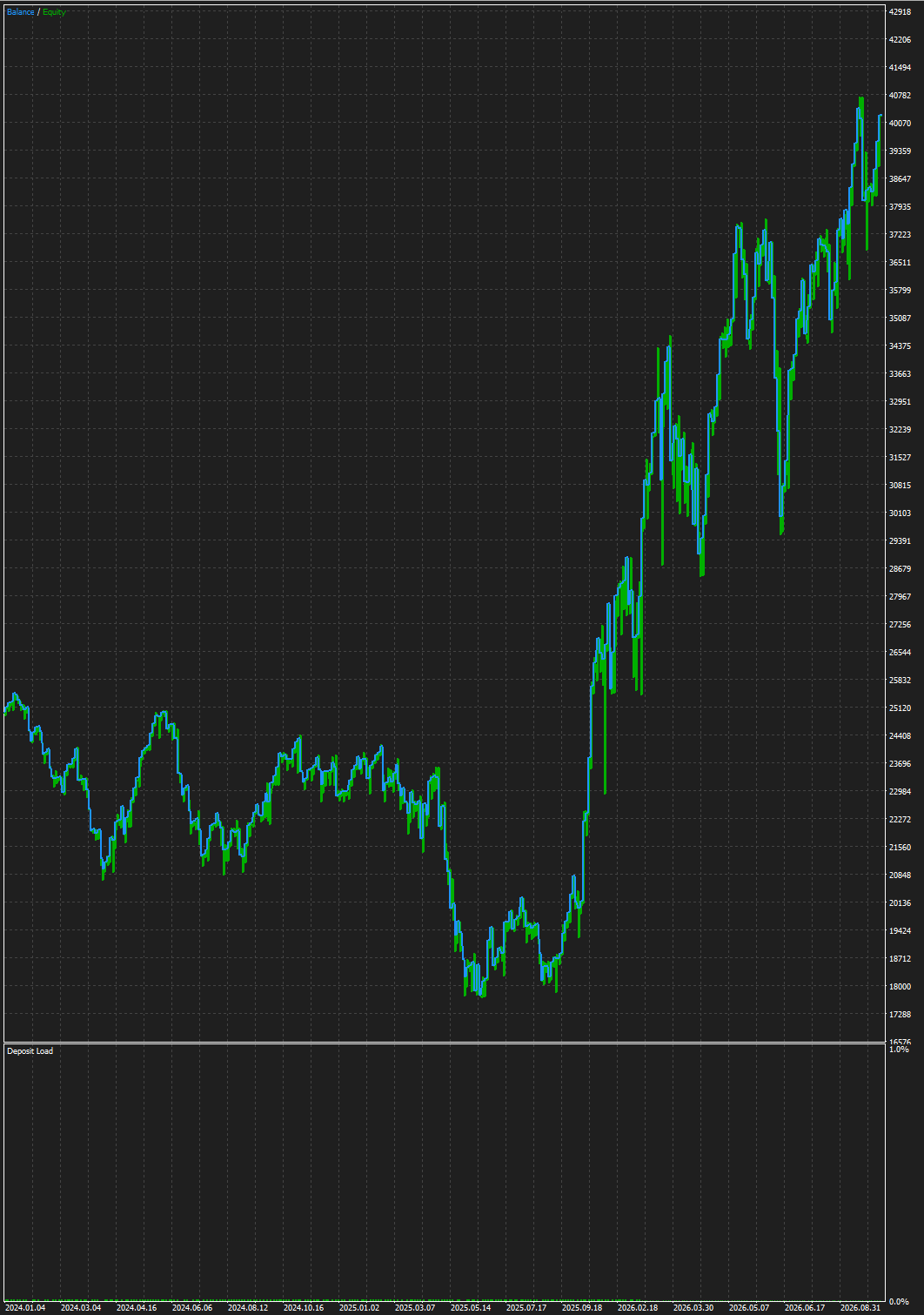
Add comment
Comments